
Hedge and shrub trimming: shape, taper and timing
Why a hedge goes leggy, what a taper does about it, and why the same job is different work in different months.
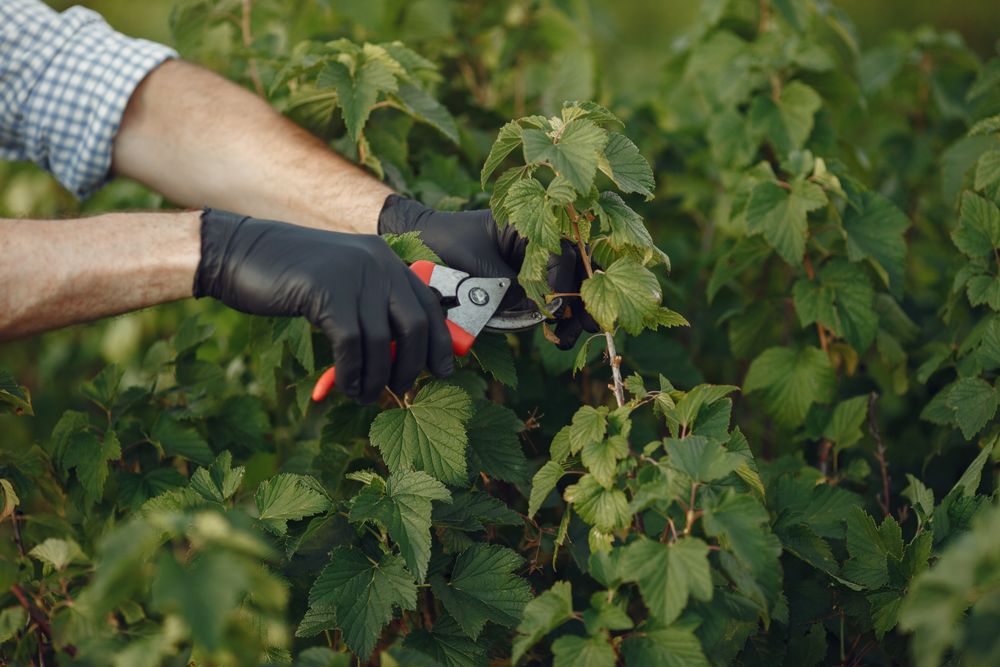
A hedge is a crowd of plants competing for the same light. The top of the hedge gets all of it, so the top grows fastest and thickest while the lower branches, shaded by the growth above them, thin out, stretch and die back. The bare-legged hedge every few years is not a mistake that was made — it is what a hedge does when nothing intervenes.
The taper is the whole trick
Trimming a hedge to the same width at the top and the bottom guarantees the top keeps the light and the base keeps losing it. A slight taper — narrower at the base, a little wider at the top — lets light down into the lower third, and light is what keeps foliage down there. It is a few centimetres of difference at the bottom, and it is the difference between a screen that fills in over a few seasons and one that never will.
It also changes how the hedge reads from the house. Most people look at a hedge from inside the garden, and from there the slightly narrower base looks intentional rather than thin, because the eye follows the line inward rather than measuring across it.
Bringing back a leggy hedge
Where the base is already bare, the recovery is staged. Cut hard back into the older wood to reshape the framework, accept that the hedge will look thinner for a season, and then keep cutting with a taper each time. New shoots from the cut points will develop light-tolerant foliage lower down, and within two or three good seasons the base fills in. Cutting a leggy hedge straight back to a narrow shape in one visit removes all the foliage the plant has left, and a broad-leaved evergreen that loses most of its leaf in a single cut can be gone.
Timing across the year
Cut too early and there is no leaf to work with, so the shape is being judged by eye against a brown skeleton. Cut during a heat spell and the plant is under stress while it is asked to seal a lot of wounds. Broad-leaved evergreens and most hedging species are best trimmed once the season's growth has extended and hardened up, with a light tidy-up later in the year if the species puts on a second flush. That is a general rule of thumb, not a schedule — species and position decide it.
Hand tools still do the detail
A powered hedge trimmer cuts a straight line quickly and is unforgiving of a wandering operator. The last third of the job is done with shears: the flat top, the corners, the new growth breaking the line, and anything growing through the face of the hedge. While the hedge is open, the bed underneath gets raked and cleared, because arisings left in a clipped hedge rot into the base and set up exactly the die-back the trimming was meant to prevent.
More lawn notes
Prefer it done than read about?
Supergrassguy is a mobile lawn care service in Christchurch. The Google Maps listing is the one published way to reach the operator.